Physical Address
304 North Cardinal St.
Dorchester Center, MA 02124
Physical Address
304 North Cardinal St.
Dorchester Center, MA 02124

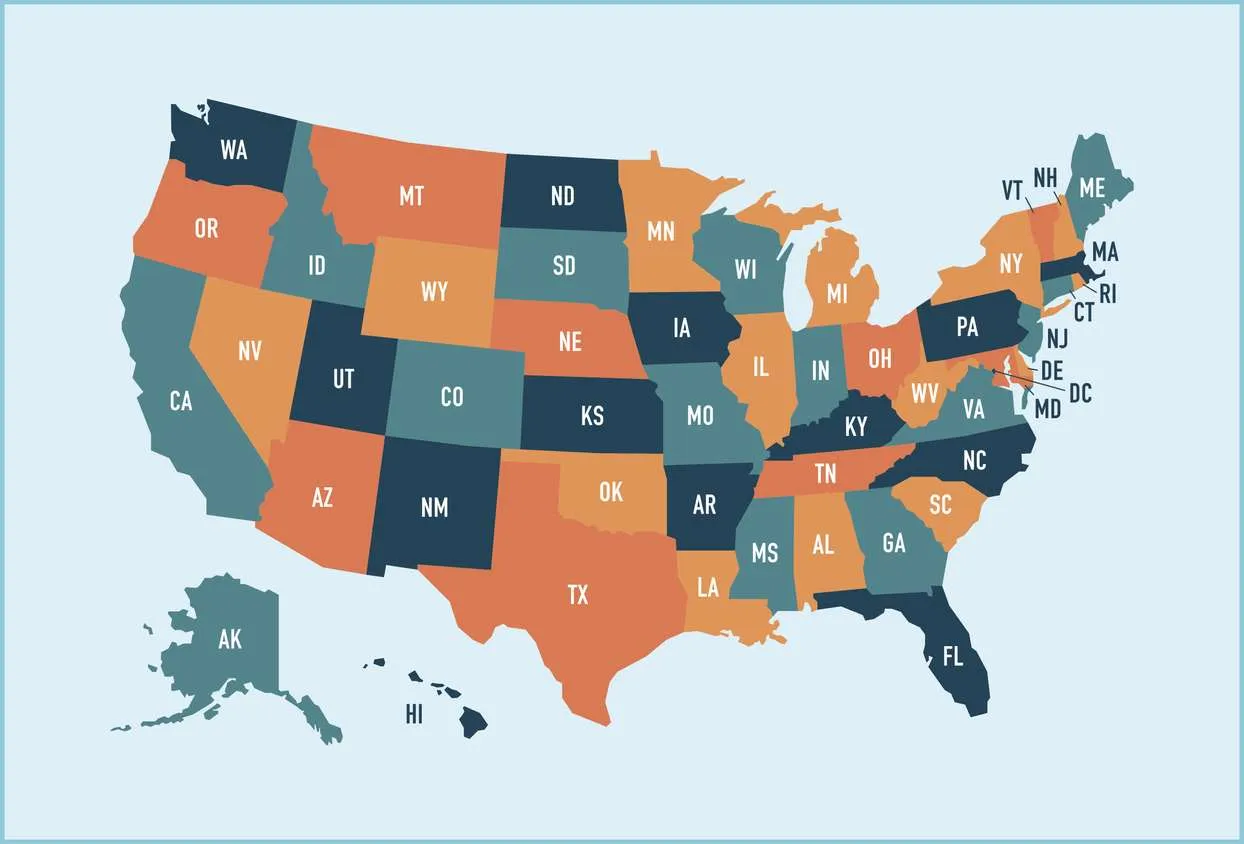
Behavioral healthcare is undergoing a period of transformation, shaped by shifting patient needs, evolving regulatory frameworks, and an increasing emphasis on value-based care. For providers operating across multiple states, building effective behavioral healthcare strategies presents both significant opportunities and complex challenges. Multi-state operations must balance diverse regulatory environments, varied payer landscapes, workforce shortages, and changing patient expectations — all while striving to deliver high-quality, accessible mental health services.
This article explores how behavioral healthcare organizations can create value across state lines and overcome barriers to sustainable, scalable care delivery.
Mental health and substance use disorders affect millions of Americans, yet access to appropriate care remains uneven. Rural communities, underserved urban areas, and states with limited provider capacity often struggle to meet demand. In this environment, multi-state behavioral healthcare strategies are not just advantageous — they’re increasingly essential.
Expanding services across state borders allows organizations to reach broader patient populations, leverage telehealth capabilities, and build integrated care models that support individuals across the lifespan. However, success in multi-state delivery requires thoughtful strategy and deep regulatory understanding.
One of the most significant challenges for multi-state behavioral healthcare organizations is navigating the complex patchwork of state regulations. Each state has its own licensing requirements, telehealth laws, privacy standards, and behavioral health policies. This regulatory diversity impacts everything from clinical credentialing and practice requirements to reimbursement and data reporting.
For example:
These differences require organizations to develop robust compliance infrastructures that can adapt to state-specific rules while maintaining consistent care quality.
Despite regulatory complexity, multi-state behavioral healthcare strategies offer distinct value creation opportunities. Integrated care models — where behavioral health is co-located or coordinated with primary care — have been shown to improve clinical outcomes, reduce costs, and enhance patient satisfaction.
Organizations that implement integrated strategies across states can better support continuity of care for patients with complex needs. Shared electronic health records, collaborative care teams, and data-driven population health approaches all contribute to improved performance.
These models also position providers to participate in value-based payment arrangements. By demonstrating measurable improvements in patient outcomes and reduced utilization of emergency services, behavioral healthcare organizations can qualify for incentive payments and shared savings under alternative payment models.
Technology plays a pivotal role in multi-state behavioral healthcare. Telehealth, digital screening tools, remote patient monitoring, and mobile applications all expand access and support continuity of care. Leveraging technology effectively helps organizations overcome geographic barriers and connect with patients who may otherwise go untreated.
Telepsychiatry, in particular, has become a cornerstone of multi-state delivery, enabling organizations to match patients with specialists regardless of location. Behavioral health apps and digital cognitive behavioral therapy (CBT) platforms offer supplemental support between clinical visits, enhancing engagement and self-management.
However, technology also introduces challenges. Organizations must ensure compliance with state telehealth laws, address cybersecurity and privacy concerns, and invest in training clinicians to use digital tools effectively.
Workforce shortages remain a critical challenge in behavioral healthcare, particularly for multi-state providers. Many states face shortages of psychiatrists, psychologists, and licensed counselors, making it difficult to meet demand even with telehealth support.
Strategic workforce solutions may include:
Building a resilient workforce strategy is vital for sustaining multi-state operations and ensuring continuity of care across diverse populations.
Multi-state behavioral healthcare organizations must develop robust data and performance measurement systems. Tracking outcomes, utilization patterns, patient satisfaction, and quality metrics enables providers to make informed decisions, demonstrate value to payers, and qualify for performance-based reimbursement.
Standardized data systems also support benchmarking across states. Organizations can identify best practices in high-performing regions and replicate success in other markets, fostering continuous improvement.
Additionally, data analytics can reveal gaps in care, disparities among subpopulations, and opportunities for targeted interventions.
Operating in multiple states requires careful financial planning. Payer landscapes differ by region, with variations in Medicaid coverage, private insurance contracting, and reimbursement rates for behavioral health services.
Organizations must develop payer strategies tailored to each market while seeking alignment with broader goals. This may include negotiating value-based contracts, participating in integrated care networks, or advocating for parity in behavioral health reimbursement.
Financial success also depends on balancing cost efficiency with high-quality care delivery. Technology investments, workforce development, and administrative infrastructure should be aligned with measurable outcomes that support long-term sustainability.
Effective multi-state behavioral healthcare strategies balance standardization with local adaptation. Standardized care protocols, quality metrics, and training programs ensure consistency and scalability. At the same time, organizations must remain responsive to local community needs, cultural contexts, and state policy environments.
This balance enables providers to deliver high-quality care that respects regional nuances and meets population-specific needs.
Multi-state behavioral healthcare strategies represent a powerful pathway to expanding access and improving mental health outcomes across the country. By navigating regulatory complexity, leveraging technology, building resilient workforces, and focusing on value-based care, organizations can create sustainable impact.
As behavioral health continues to be a national priority, multi-state providers that blend innovation, compliance, and patient-centered practice will be best positioned to lead the future of mental health care.