Physical Address
304 North Cardinal St.
Dorchester Center, MA 02124
Physical Address
304 North Cardinal St.
Dorchester Center, MA 02124

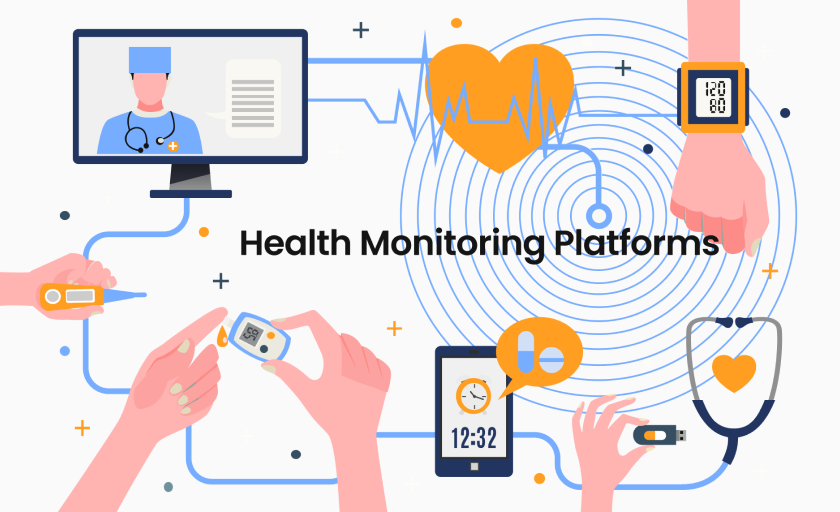
Telehealth is no longer a supplemental healthcare service—it is a transformative force reshaping how care is accessed, delivered, and managed. Advances in digital communication, data analytics, and virtual care platforms are driving a fundamental shift in healthcare delivery models. Insights from SEI highlight how telehealth is becoming a core component of modern healthcare systems, influencing clinical outcomes, operational efficiency, and long-term sustainability.
Initially adopted to improve convenience and access, telehealth has evolved into a strategic healthcare capability. Virtual care now supports routine consultations, chronic disease management, mental health services, and preventive care. This evolution reflects a broader recognition that healthcare delivery must adapt to patient expectations for accessibility, flexibility, and continuity.
Telehealth enables care beyond traditional clinical settings, allowing providers to engage patients where they are—at home, at work, or in remote communities—without compromising quality or safety.
One of telehealth’s most significant impacts is its ability to expand access to care. Geographic barriers, provider shortages, and transportation challenges have long limited healthcare availability for many populations. Telehealth helps bridge these gaps by connecting patients with clinicians regardless of location.
This expanded access is especially valuable for:
By reducing friction in care delivery, telehealth supports more equitable healthcare outcomes.
Telehealth is also transforming healthcare operations. Virtual visits, remote monitoring, and digital communication tools streamline workflows and reduce administrative burden. Providers can triage cases more effectively, prioritize in-person care when necessary, and maintain consistent engagement with patients between visits.
Improved data sharing and integration further enhance care coordination, enabling multidisciplinary teams to collaborate more effectively and make informed decisions in real time.
From a strategic perspective, telehealth offers healthcare organizations opportunities to manage costs while maintaining quality. Reduced hospital readmissions, improved chronic care management, and more efficient use of clinical resources contribute to long-term financial sustainability.
Insights from SEI emphasize that telehealth is not just a clinical innovation—it is a strategic investment. Organizations that align telehealth initiatives with broader operational and financial goals are better positioned to navigate changing reimbursement models and patient expectations.
Despite its promise, telehealth adoption is not without challenges. Healthcare organizations must address:
Successfully scaling telehealth requires thoughtful governance, technology alignment, and a clear understanding of organizational priorities.
Telehealth’s role in healthcare will continue to expand as technology advances and care models evolve. Future developments are expected to include greater use of remote monitoring, AI-enabled decision support, and personalized virtual care pathways.
As healthcare systems move toward value-based care and patient-centered models, telehealth will remain a critical enabler—supporting better outcomes, improved access, and more resilient healthcare infrastructures.
Telehealth is fundamentally transforming healthcare by redefining how care is delivered, accessed, and experienced. Insights from SEI reinforce that telehealth is not a temporary trend but a lasting shift with wide-ranging clinical, operational, and strategic implications. Organizations that embrace this transformation thoughtfully will be best positioned to deliver high-quality, sustainable care in the digital age.