Physical Address
304 North Cardinal St.
Dorchester Center, MA 02124
Physical Address
304 North Cardinal St.
Dorchester Center, MA 02124

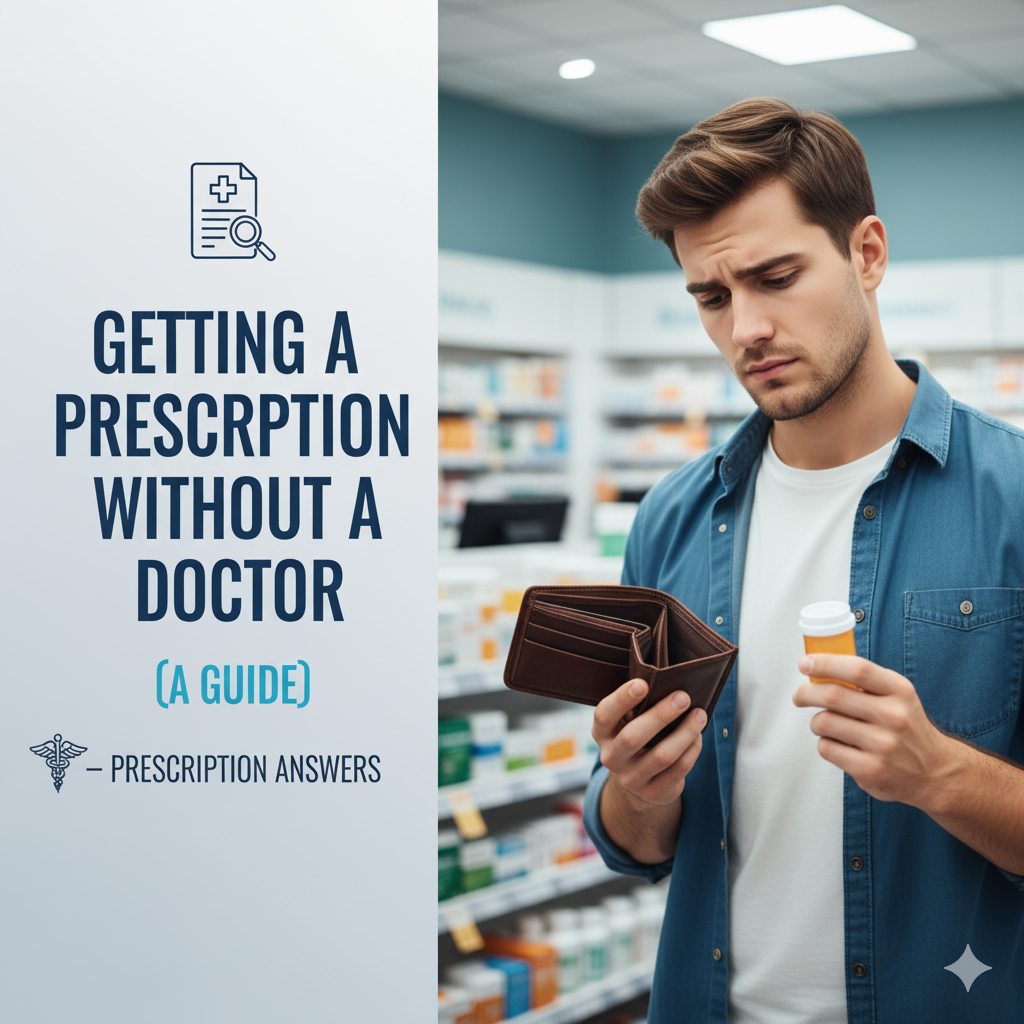
When someone needs medication, the first thought is usually to visit a doctor and get a prescription. But today, people often wonder whether it’s possible to get a prescription without seeing a traditional doctor in person. The short answer: yes, in some situations, but there are important rules, limitations, and safety considerations to know.
This guide breaks everything down so readers understand what can—and cannot—be done legally and safely.
Yes. In many regions, including the U.S., you can receive a prescription without an in-person office visit, but you cannot receive a legally valid prescription without a licensed healthcare professional involved somewhere in the process.
You must still be evaluated by a clinician—just not necessarily in person.
Modern healthcare now allows prescriptions through:
The key is that a qualified professional is still making the final prescribing decision.
Telehealth has become the most widely used method for receiving prescriptions without visiting a clinic.
You can connect with a licensed clinician via:
After reviewing your symptoms and medical history, they may issue a prescription electronically to your pharmacy.
In some U.S. states, trained pharmacists can:
This option is fast, convenient, and does not require a traditional doctor’s appointment.
Another legitimate way to get prescriptions without scheduling a doctor appointment is through:
These clinics operate under supervising physician protocols that allow nurse practitioners or physician assistants to prescribe medications following approved guidelines.
You still receive a clinical evaluation—just without the long wait times of traditional primary care.
If you already have a medication your doctor previously prescribed, many online platforms offer:
This is especially useful for:
However, long-term refills still require periodic full evaluations for safety.
It is illegal and unsafe to obtain a prescription:
Prescriptions must always involve a licensed professional reviewing your case.
Yes—if you use legitimate telehealth services or licensed providers.
Safe platforms will:
Avoid any website that sends medication directly without pharmacy processing or clinician review.
Access to healthcare is changing. Telehealth, expanded pharmacy roles, and remote evaluations have made it easier for people to get the medications they need—without long waits or unnecessary expenses.
For many individuals, especially those in underserved regions, remote prescription access is an important part of modern healthcare.
You can legally and safely get certain prescriptions without visiting a doctor in person, thanks to telehealth and expanded care models. But you cannot get prescriptions without clinician involvement at all.
To stay safe:
Remote healthcare is a powerful tool—when used responsibly.