Physical Address
304 North Cardinal St.
Dorchester Center, MA 02124
Physical Address
304 North Cardinal St.
Dorchester Center, MA 02124

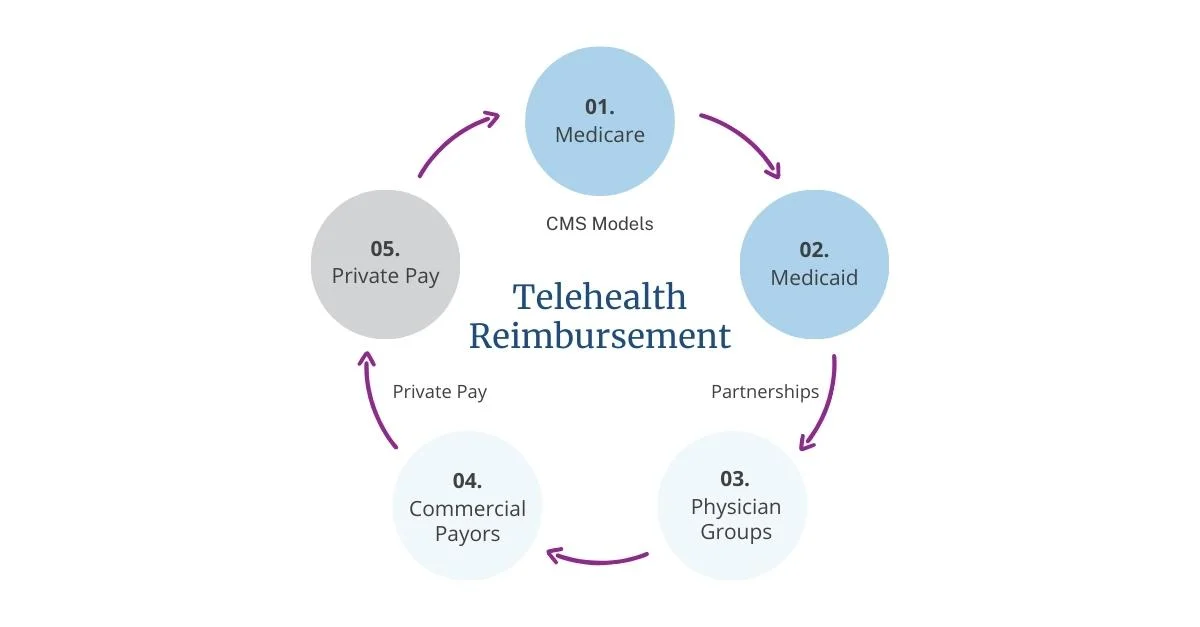
The Centers for Medicare & Medicaid Services (CMS) continues to reshape the future of healthcare delivery through regulatory updates that recognize the growing role of digital care. One of the most impactful developments is the CMS Final Rule expanding Medicare reimbursement for physician services furnished using communication technology. This policy shift signals a broader acceptance of virtual care as a permanent and essential component of the U.S. healthcare system.
The expansion goes beyond traditional telehealth visits, covering a wider range of technology-enabled services that improve care coordination, patient access, and clinical efficiency. For physicians and healthcare organizations, this rule represents both an opportunity and a responsibility to adapt to a rapidly evolving reimbursement environment.
Communication technology-based services (CTBS) refer to non-face-to-face interactions between physicians and patients that rely on digital tools rather than in-person visits. These services may include virtual check-ins, electronic consultations, remote evaluations of patient-submitted data, and other brief digital interactions that support ongoing care.
Historically, Medicare reimbursement focused primarily on in-person encounters, with limited recognition of remote communication. As healthcare delivery models evolved, CMS acknowledged that many clinically meaningful services occur outside the exam room. The final rule reflects this reality by expanding reimbursement pathways for physicians who use communication technology to manage patient care effectively.
The CMS Final Rule broadens the scope of reimbursable services furnished through communication technology in several important ways:
First, it expands the types of physician services eligible for Medicare reimbursement when delivered using digital communication tools. This includes brief check-ins that determine whether an in-person visit is necessary, as well as follow-up interactions that help manage chronic conditions or post-treatment recovery.
Second, the rule clarifies documentation and billing requirements, making it easier for physicians to report these services accurately. By reducing ambiguity, CMS aims to encourage compliance while minimizing administrative burden.
Third, the policy supports greater flexibility in how care is delivered. Physicians are no longer required to rely solely on synchronous video visits to receive reimbursement. Instead, a broader range of technology-enabled interactions is recognized as medically necessary and valuable.
For physicians, expanded Medicare reimbursement creates new opportunities to deliver patient-centered care without sacrificing financial sustainability. Communication technology allows clinicians to address concerns quickly, prevent complications, and reduce unnecessary office visits.
This is particularly important for managing chronic conditions, where frequent touchpoints can improve outcomes. Digital check-ins enable physicians to monitor symptoms, adjust treatment plans, and respond to patient needs in real time.
The final rule also supports physician efficiency. Short, targeted digital interactions often require less time than traditional visits while still providing meaningful clinical value. By recognizing these services, CMS aligns reimbursement with how modern medicine is practiced.
From the patient perspective, expanded reimbursement for communication technology-based services improves access and convenience. Patients can receive timely medical guidance without the logistical challenges of scheduling and attending in-person appointments.
This is especially beneficial for elderly patients, individuals with mobility limitations, and those living in rural or underserved areas. Digital communication reduces travel burdens and supports continuity of care between formal visits.
The policy also promotes earlier intervention. When patients can easily reach their physician through reimbursable communication channels, issues can be addressed before they escalate into more serious and costly conditions.
Another significant impact of the CMS Final Rule is improved care coordination. Communication technology enables physicians to collaborate more effectively with other healthcare professionals, review patient data remotely, and make informed decisions without delay.
This is particularly relevant in complex cases involving multiple providers. Digital consultations and record reviews allow physicians to contribute expertise efficiently, improving care quality while reducing fragmentation.
By reimbursing these interactions, CMS reinforces the importance of coordinated, team-based care supported by technology.
While the expanded reimbursement framework offers clear benefits, physicians must ensure compliance with Medicare requirements. Proper documentation remains essential, including recording the nature of the interaction, medical necessity, and patient consent when applicable.
Practices may need to update workflows, billing processes, and staff training to align with the new rules. Investing in compliant technology platforms and educating clinicians on appropriate use will be key to maximizing the benefits of the policy.
Additionally, healthcare organizations must remain vigilant as CMS continues to refine regulations. Ongoing monitoring of policy updates is essential to maintain compliance and optimize reimbursement strategies.
The CMS Final Rule represents more than a reimbursement change—it reflects a shift in how healthcare value is defined. By recognizing communication technology-based services, CMS acknowledges that quality care extends beyond traditional visit models.
This approach encourages innovation, allowing physicians to integrate digital tools into care delivery in ways that improve outcomes and patient satisfaction. It also lays the groundwork for future policy developments that may further expand support for remote monitoring, digital therapeutics, and data-driven care models.
As healthcare continues to evolve, Medicare policy will play a critical role in shaping adoption of communication technology. The CMS Final Rule signals a commitment to modernizing reimbursement structures to reflect real-world clinical practice.
Physicians who embrace these changes thoughtfully can enhance patient relationships, improve care efficiency, and build more resilient practice models. Ultimately, expanded reimbursement for communication technology-based services supports a healthcare system that is more accessible, responsive, and aligned with patient needs.