Physical Address
304 North Cardinal St.
Dorchester Center, MA 02124
Physical Address
304 North Cardinal St.
Dorchester Center, MA 02124

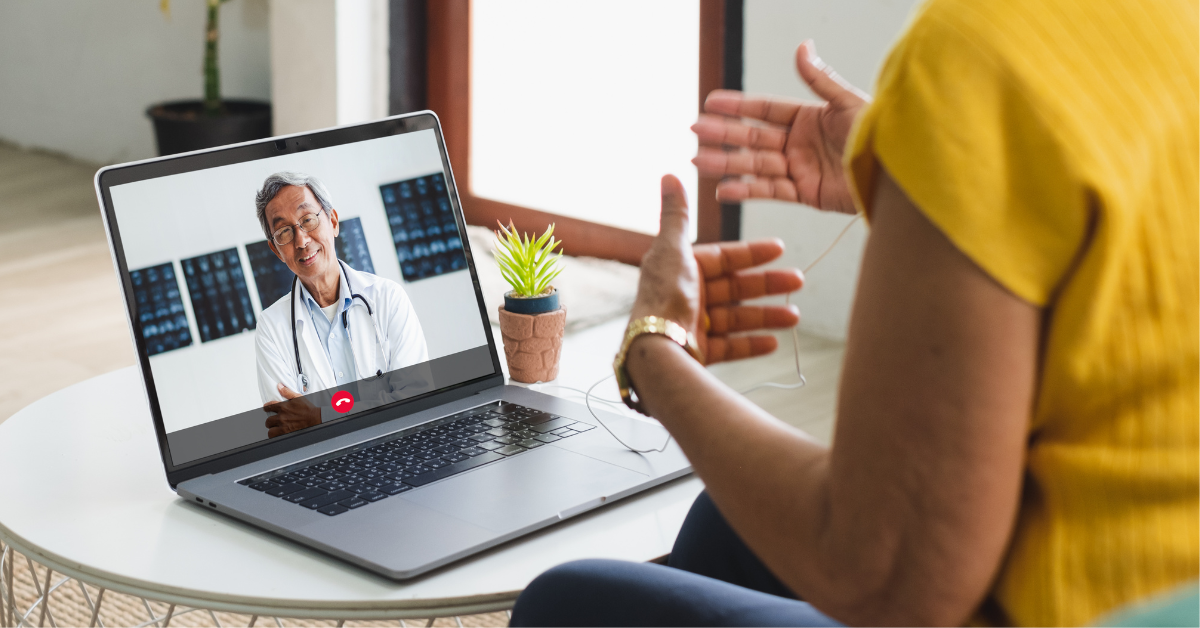
In today’s digital age, many aspects of healthcare are becoming more convenient and accessible — including how patients obtain prescriptions. Thanks to advancements in telemedicine, evolving regulations, and increased acceptance of virtual care models, it’s now possible to receive a legitimate prescription without ever stepping foot into a doctor’s office. Whether you’re managing a chronic condition, need a refill, or seeking initial treatment for a new concern, understanding how to safely and legally obtain medications through remote healthcare can save you time, reduce travel burdens, and make care more accessible.
This guide breaks down the options, requirements, and best practices for getting a prescription without an in-person doctor visit.
The rise of telehealth services over the past decade — and its rapid acceleration during public health emergencies — has transformed the way patients interact with healthcare providers. Clinicians can now assess symptoms, review medical histories, and prescribe medications using secure video visits, digital questionnaires, and phone consultations.
Several factors contribute to this trend:
Regulatory changes have made remote prescribing more feasible, with many states and payers recognizing telehealth as a legitimate avenue for diagnosis and treatment.
The most common way to get a prescription without an in-person visit is through a telehealth appointment. Telehealth allows you to connect with a licensed healthcare provider using video calls, phone calls, or secure messaging platforms.
Here’s how the process typically works:
Telehealth is widely accepted for many common conditions, including respiratory infections, allergies, urinary tract infections, and ongoing management of chronic conditions like hypertension or diabetes.
In addition to traditional telehealth through your doctor, there are numerous online healthcare platforms that connect patients with licensed providers. These services are often user-friendly and designed specifically for remote encounters.
Key features of online telemedicine platforms include:
Many platforms offer flexible hours, same-day appointments, and consultations with board-certified physicians, nurse practitioners, or physician assistants. Some are subscription-based, while others operate on a per-visit fee structure.
For some patients, a phone consultation or secure “eVisit” via messaging may be enough to determine treatment needs. While not all conditions can be addressed this way, these options can be suitable for minor ailments, medication refills, or follow-up care.
Providers typically review your submitted information, assess your symptoms, and determine if a prescription can be issued safely without a video component.
Although remote prescribing is increasingly common, it’s governed by specific state and federal regulations to ensure patient safety.
Here are a few key considerations:
These rules are designed to balance access and convenience with quality and safety in patient care.
Once a prescription is issued, there are several convenient ways to receive your medication without visiting a pharmacy in person:
These options complement remote prescribing and make the entire process seamless from consultation to medication in hand.
To ensure a smooth and secure experience when seeking prescriptions without an in-person visit, keep these best practices in mind:
1. Choose Licensed, Reputable Providers
Only seek care from licensed professionals working through accredited telehealth platforms or established healthcare organizations.
2. Be Honest and Complete in Your Medical History
Accurate information about past conditions, medications, allergies, and current symptoms is essential for safe prescribing.
3. Understand Costs and Insurance Coverage
Some telehealth services are covered by insurance, while others may require out-of-pocket payment. Confirm coverage beforehand if possible.
4. Ask About Follow-Up Care
If symptoms persist or change, make sure there’s a plan for further evaluation or in-person care.
Remote prescribing is particularly helpful for:
Telehealth also provides continuity of care for patients who have established relationships with their providers, allowing treatment plans to proceed without interruption.
The trend toward remote prescribing is likely to continue as technology evolves and regulations adapt. As virtual care becomes more integrated into mainstream healthcare, patients will enjoy greater flexibility, improved access, and faster treatment pathways.
However, it remains important for patients and providers alike to prioritize safety, quality, and ethical medical practice. When guided by sound clinical judgment and clear communication, getting a prescription without an in-person doctor visit can be both effective and convenient.