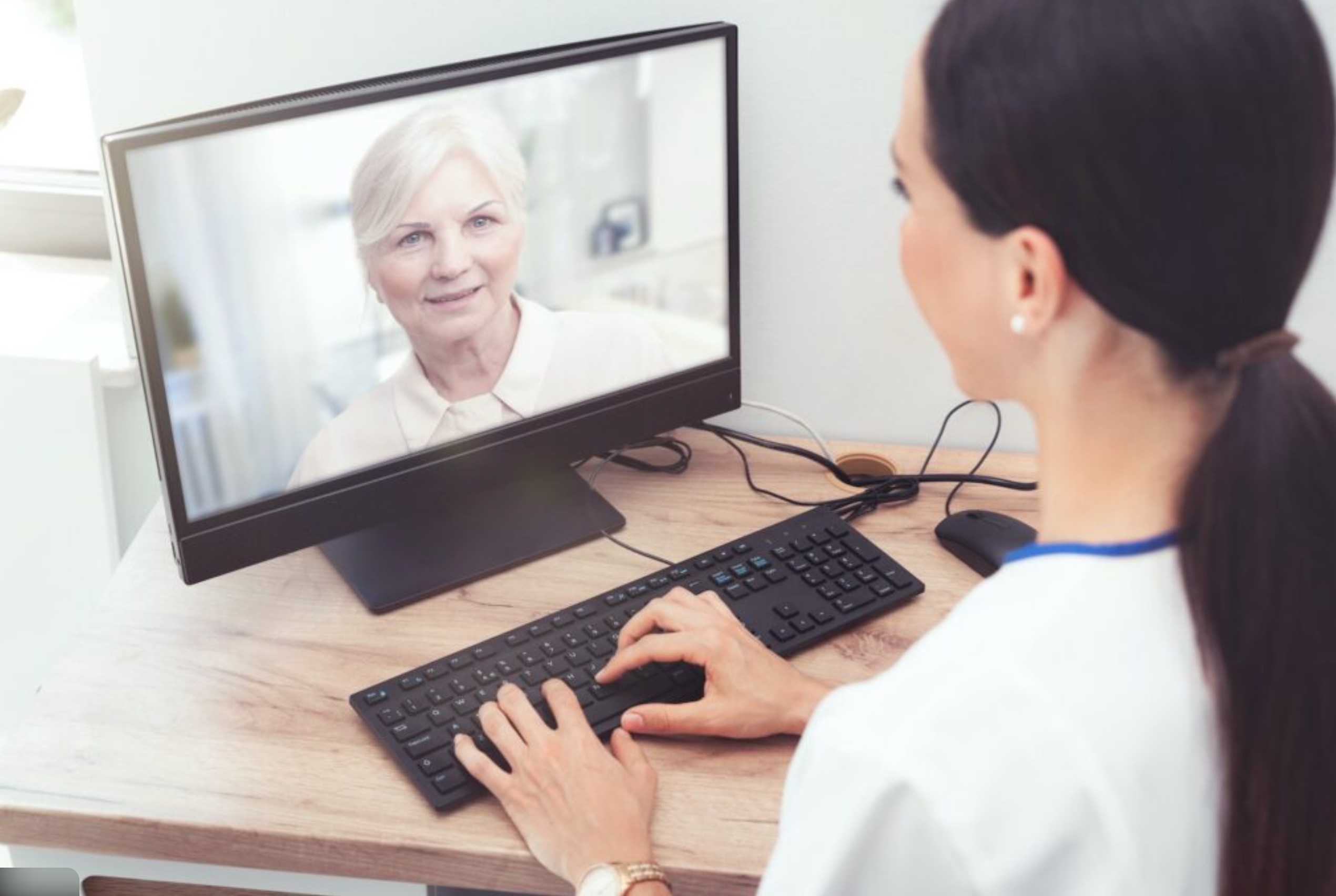
Telehealth has moved from a convenience feature to a core operating model for many clinical practices. As virtual care expands, so does the need for structured clinical collaboration—especially in states and settings where Nurse Practitioners (NPs) work under collaborative practice requirements, or where teams prefer a shared-care approach for quality and risk management.
In that context, telehealth is reshaping what “collaborating physician services” can look like. Instead of relying solely on in-person meetings, paper-based chart reviews, or local-only professional networks, practices can now build remote physician collaboration workflows that are faster, more auditable, and easier to scale—without sacrificing clinical rigor.
This article breaks down how the virtual collaborating physician model works in real-world practice, what technology enables it, where compliance fits in, and how NP-focused matching resources (including “NP collaborator” platforms) can reduce friction in finding and maintaining appropriate collaboration—without turning the collaboration relationship into a marketing pitch.
Telehealth’s bigger shift: from “virtual visits” to “virtual operations”
When people hear “telehealth,” they usually think of video appointments. But for collaborating physician services, the bigger change is operational:
- Review and consult can happen asynchronously (not only in real time)
- Documentation, oversight, and quality checks can be centralized
- Multi-state teams can be supported with clearer workflows
- Collaboration can be tracked more consistently (helpful for audits and internal QA)
This aligns with the broader trend of virtual care evolving into a permanent care delivery channel (a theme Tech Health Perspectives has covered in posts like What Comes Next for Telehealth as Virtual Care Continues to Evolve).
What collaborating physician services look like today
“Collaborating physician services” can mean different things depending on state law, specialty, and practice policy. Common components include:
- Clinical consultation availability for complex cases
- Chart review cadence and documentation requirements
- Co-signature rules (where applicable)
- Protocols and practice guidelines for common conditions
- Quality assurance activities (peer review, metrics, case conferences)
- Prescribing oversight in states or scenarios that require it
Telehealth doesn’t replace these responsibilities; it changes how they happen.
How telehealth enables a virtual collaborating physician model
A virtual collaborating physician arrangement typically relies on a combination of synchronous and asynchronous collaboration channels.
1) Asynchronous collaboration (the quiet workhorse)
Much of collaboration is better handled asynchronously than through scheduled meetings.
Examples:
- NP flags a chart for review inside the EHR
- Physician reviews documentation and provides guidance via secure messaging
- Practice maintains an audit trail of date/time, notes, and actions taken
- Protocol updates are shared as written guidance (reducing ambiguity)
Asynchronous workflows can be especially valuable for:
- Primary care with chronic disease management
- Mental health medication management
- Follow-up care after urgent visits
- Reviewing referrals, imaging, or lab trends
2) Synchronous collaboration (when minutes matter)
Real-time collaboration still plays an important role in:
- High-risk presentations (e.g., chest pain evaluation triage decisions)
- Medication changes with complex contraindications
- Escalation decisions (ED referral, urgent imaging, specialist consult)
- Behavioral health safety planning scenarios
Telehealth tools make it easier to do a quick consult without waiting for an in-person meeting, which can improve decision speed and patient safety.
3) Distributed care teams across geographies
Remote models are particularly relevant when:
- An NP practice is rural and the collaborator is not local
- The practice operates across multiple sites
- Telehealth visits span multiple service areas (within legal constraints)
This is where remote physician collaboration becomes a functional advantage—if licensure, documentation, and communication protocols are clearly defined.
Why collaboration is expanding (even where it’s not strictly required)
Even in regions where NPs have broader practice authority, some organizations still build formal collaboration structures because they help with:
- Clinical governance: consistent standards across a growing provider team
- Risk management: a second set of eyes for defined scenarios
- Training and mentorship: faster professional growth for new clinicians
- Consistency in patient experience: fewer “it depends on who you see” outcomes
The key is designing collaboration as a quality system—not as a bottleneck.
Compliance and regulatory realities: what telehealth does (and doesn’t) solve
Telehealth can streamline collaboration, but it does not remove regulatory obligations. Practices still need to align with:
- State scope-of-practice and collaboration rules
- State medical board / nursing board expectations
- Telehealth practice standards (including prescribing rules)
- HIPAA and security requirements for communication and documentation
- Credentialing and privileging policies (especially in larger organizations)
Because rules vary, it’s best to treat this section as operational guidance—not legal advice. A practical approach is to create a collaboration “compliance map” that answers:
- What does the state require (frequency of chart review, type of agreement, etc.)?
- What does the practice require (additional QA checks, escalation pathways)?
- Where is evidence stored (EHR notes, review logs, signed agreements)?
Documentation: the most overlooked success factor
Remote collaboration works best when documentation is standardized. Useful elements include:
- A defined method for flagging charts for review
- A consistent review note template (what was reviewed, findings, recommendations)
- Clear turnaround expectations (e.g., within 48–72 hours for routine review)
- A documented escalation process for urgent concerns
- Periodic reporting for QA (review volume, common issues, outcomes)
The goal isn’t to create paperwork—it’s to create clarity and defensibility.
Core technology stack for remote physician collaboration
A telehealth-enabled collaboration model usually needs more than video calls. Common building blocks:
Secure communication
- EHR messaging (preferred when available)
- HIPAA-aligned secure chat tools (if integrated appropriately)
- Avoid using consumer texting for clinical discussion unless formally approved and secured
EHR access and role-based permissions
- Collaborating physicians often need read-only or limited access (depending on model)
- Audit logs matter (who accessed what, when)
Scheduling and availability
- Defined “office hours” for consults
- A triage protocol for urgent consult requests
Standardized clinical protocols
- Shared guidelines for common conditions
- Prescribing protocols and monitoring requirements
- Referral and follow-up standards
Quality dashboards (optional but increasingly common)
- Metrics for chart review completion
- Common documentation gaps
- Medication monitoring compliance
- Patient safety indicators
Common use cases where virtual collaborating physician services add value
Telehealth-enabled collaboration is especially helpful in these scenarios:
Primary care and chronic disease
Remote collaboration supports:
- medication titration strategies
- preventive screening alignment
- co-management of multi-morbidity patients
Psychiatry and behavioral health
A virtual collaborating physician can provide:
- case review for complex comorbidities
- medication strategy input
- safety and escalation planning frameworks
Women’s health and reproductive care
Collaboration can help standardize:
- abnormal screening follow-ups
- contraceptive counseling frameworks
- referral thresholds for high-risk presentations
Multi-location practices
When a practice has multiple clinics—or one virtual “front door”—collaboration helps unify:
- documentation standards
- prescribing patterns
- escalation decisions
What “good collaboration” looks like in a remote setting
Remote doesn’t have to mean distant. The strongest collaborations tend to share these traits:
- Defined scope: what is reviewed, when, and why
- Mutual expectations: turnaround times, communication norms
- Respect for roles: NP autonomy within scope, physician support where needed
- Repeatable workflows: templates, checklists, protocols
- Continuous improvement: review patterns lead to training and process updates
A simple best practice is a monthly or quarterly case review meeting (virtual), where the team discusses anonymized trends and updates protocols accordingly.
Where “NP collaborator” platforms fit (in a non-promotional way)
One of the biggest friction points for NPs is simply finding an appropriate collaborating physician—especially when local networks are limited or timelines are tight.
That’s where the concept of an NP collaborator (used generically) becomes relevant: it can refer to a service, process, or platform that helps NPs identify physicians open to collaboration and helps both sides organize the administrative pieces.
For example, platforms such as NP Collaborator position themselves as a way for NPs to locate physicians for collaboration based on state and specialty availability, with an emphasis on verification and standardized agreements. In practical terms, a service like this can reduce operational delays by helping with:
- Discovery: finding physicians who are actually open to collaboration
- Initial matching: filtering by specialty, licensure coverage, and availability
- Administrative readiness: supporting standardized documentation workflows and agreements
- Speed to launch: reducing the “months of networking” problem in some markets
The important point (especially for compliance-minded readers) is that matching is only the beginning. A sustainable collaboration still requires:
- state-appropriate agreements,
- clear clinical review workflows,
- secure communication channels,
- and consistent documentation.
Risks and pitfalls to watch for in telehealth-based collaboration
Telehealth can create efficiency—but it can also create gaps if the collaboration is treated as a checkbox.
Common pitfalls include:
- Unclear responsibilities: “Who reviews what?” becomes ambiguous
- Inadequate documentation: collaboration happens informally and isn’t recorded
- Security shortcuts: using non-secure channels for PHI
- Misaligned specialties: collaboration doesn’t match patient population needs
- No escalation pathway: urgent situations don’t have a defined response plan
A good remote collaboration model should feel structured, not improvised.
The future: collaboration as a scalable clinical governance layer
As telehealth matures, collaborating physician services are likely to evolve into a more standardized clinical governance function—supported by better tooling, clearer metrics, and more consistent workflows.
Expect growth in:
- asynchronous review systems built into EHRs,
- smarter routing (which cases get reviewed vs. auto-approved),
- protocol-driven care pathways,
- and cross-site collaboration models that prioritize access and safety together.
Conclusion
Telehealth is changing collaborating physician services by making collaboration more accessible, trackable, and scalable. The virtual collaborating physician model enables timely consults, structured chart review, and consistent quality practices—especially when teams invest in clear workflows and secure documentation.
And while finding the right collaborator can still be a hurdle, “NP collaborator” resources and matching platforms (including options like NP Collaborator) can help reduce the friction of connecting NPs with physicians—so the practice can focus on what matters most: delivering safe, compliant, modern care.